Find out how to make a starter from scratch, what to feed it, how many times to feed it, where to keep it and how to use it in sourdough bread recipes…
We are going to build a sourdough starter from scratch. The more you feed a starter, the more active it will be.
We’re going to feed your starter once a day over the course of 7-14 days —but you can speed up the process if you feed your starter 2x or even 3x a day.
A a general rule of thumb, the more you feed it, the more mature it gets.
In other words, the longer you wait to use it to bake sourdough bread, the better your sourdough bread will be.
So buy enough flour. A 1lb bag should be more than enough to feed your starter this week.
What tools do you need?
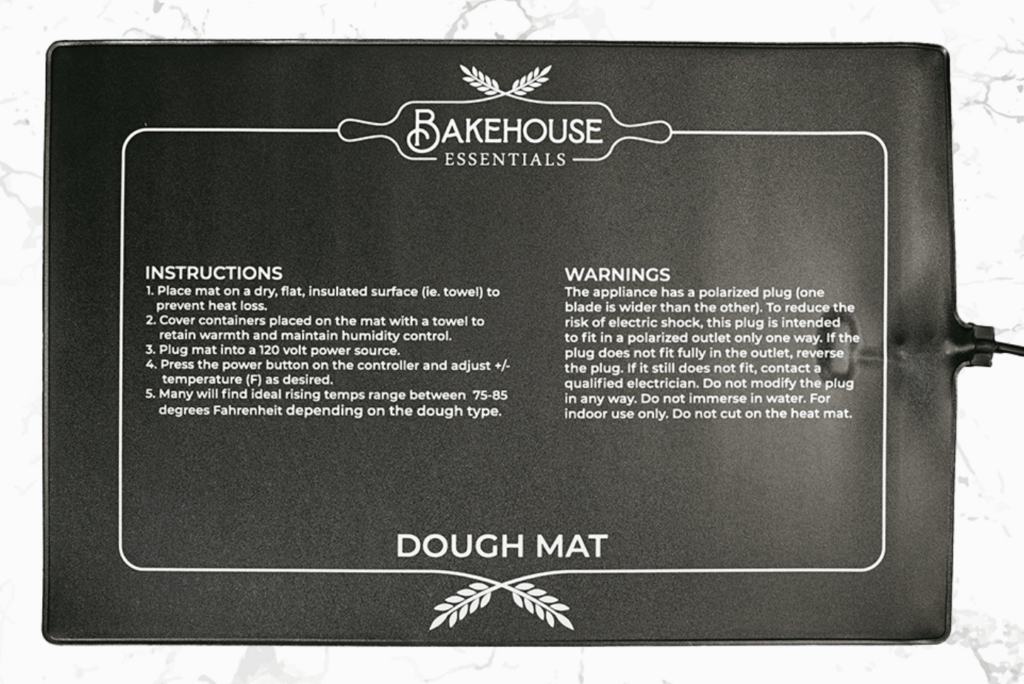
Sourdough Starter Kit
Here are my #1 favorite and preferred tools for Sourdough Starters. These are the winners of three years of comparison shopping, research and testing.

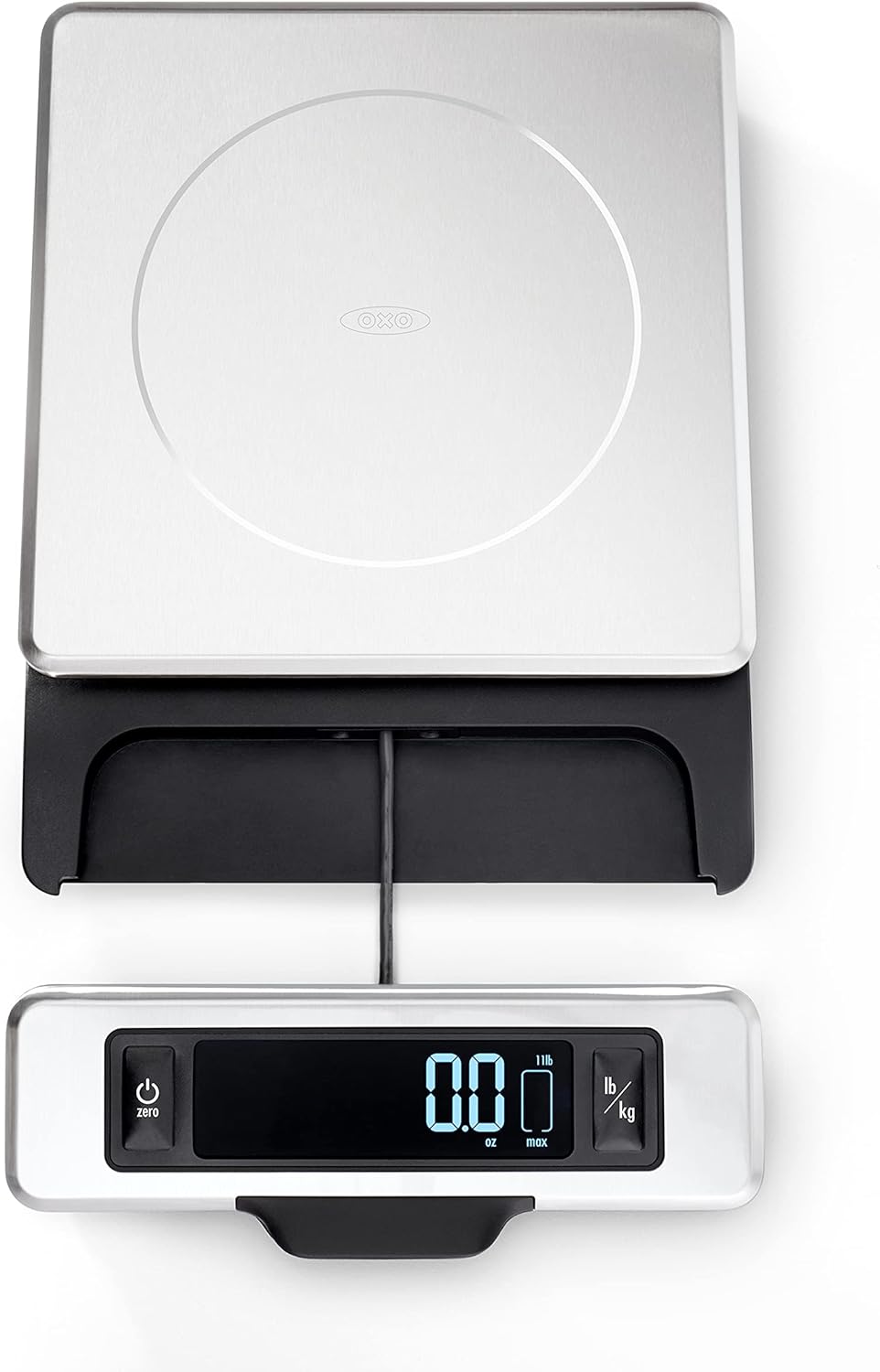
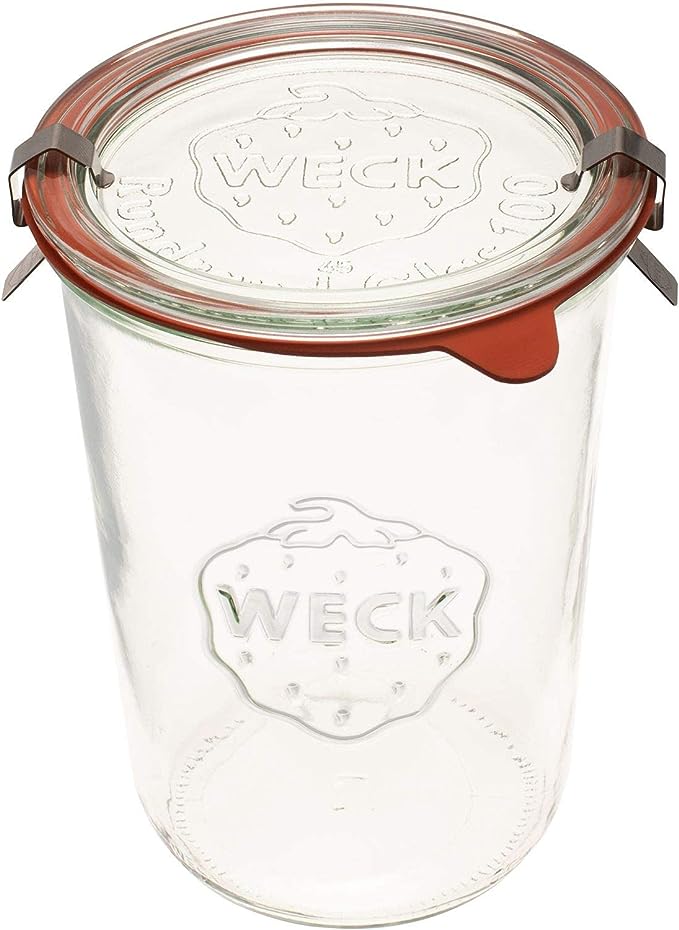
Weck Jars




How To Make Your Starter From Scratch
Day 1 / Feeding 1
We’re going to begin with feeding at a ratio of 1 : 1 : 1.
Meaning that, when it’s all said and done, we will be feeding and maintaining your starter at equal parts starter, flour, and water.
starter
flour
water
total
Feeding Ratio
1
1
1
Day 1 / Feeding 1
50g
50g
100g
We don’t have a sourdough starter yet, we’re trying to build one.
So on Day 1, or rather Feeding 1, your are simply mixing 50g of flour and 50g of water in a glass jar.
Thoroughly mix everything, making sure there are no dry clumps of flour. When you think you’ve mixed everything really well, mix just a little more to be sure.
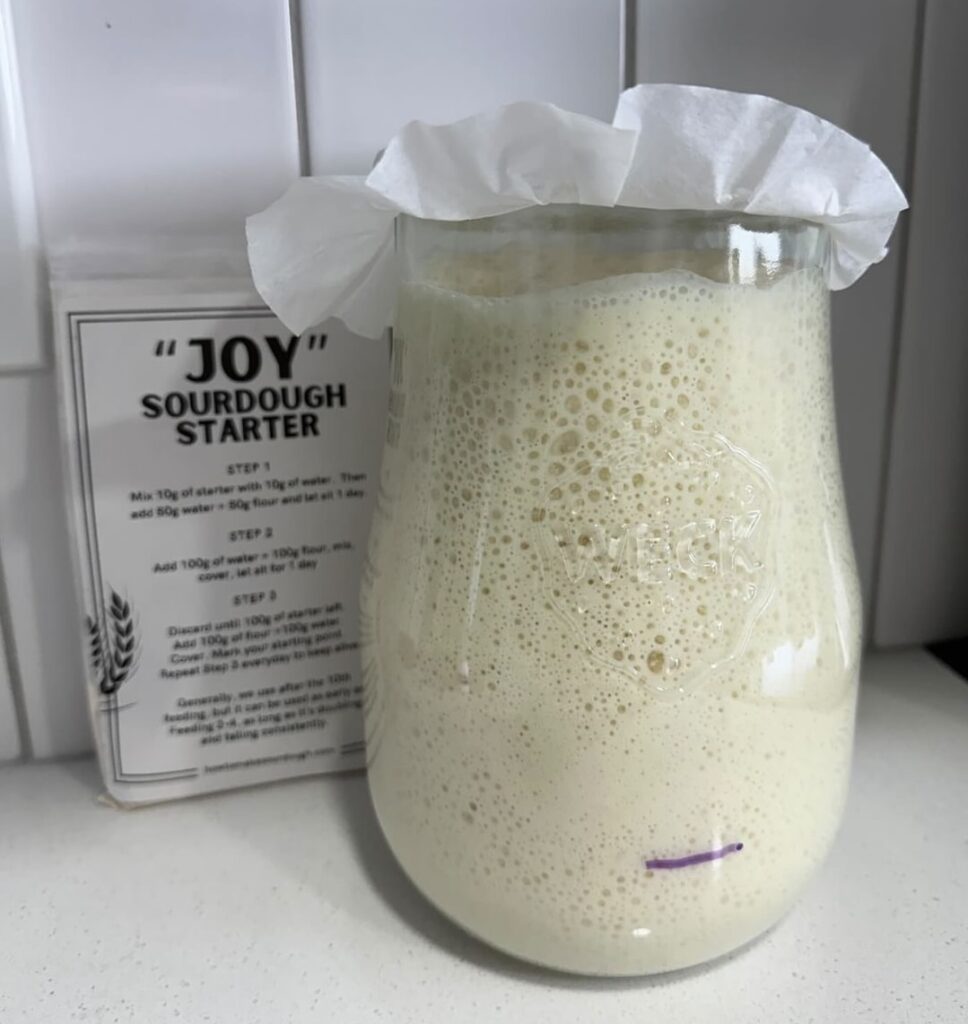
Now, with wet hands, clean the sides of the jar with your fingers and use your knuckles to lightly pound down the starter so that it’s level. Careful you don’t make it concave. You want the starter to be as straight of a level as possible.
Once you have that, put a rubber band over your jar and set it over the starter line, indicating the starting point.
Starters like it warm.
Starters thrive in warmer temperatures. They like it at 77F – 86F. The warmer the environment, the faster your starter will come to peak. Yeast will die if too hot (120-140F), though. So don’t put your starter near your stove or in your oven.
We now wait until it comes to peak.
Day 2 / Feeding 2
| starter | flour | water | total | |
| Feeding Ratio | 1 | 1 | 1 | |
| Day 1 / Feeding 1 | 50g | 50g | 100g | |
| Day 2 / Feeding 2 | 100g | 100g | 100g | 300g |
Alright, it’s a day later. Depending on your flour, you may or may not have seen activity in your jar. You may have seen your starter come to peak and come back down, —or you may have seen zero activity.
It doesn’t matter. Time for feeding #2.
Your starter is now roughly 100g.
At this point, we’re still building up the activity, so we’re not going to discard any starter yet.
So Day 2 / Feeding 2 is simply feed the starter at a 1 : 1 : 1 ratio.
Simply add 100g of flour and 100g of water to your starter.
When it’s come to peak, it’s time to feed it again.
Day 3 / Feeding 3
| starter | flour | water | total | |
| Feeding Ratio | 1 | 1 | 1 | |
| Day 1 / Feeding 1 | 50g | 50g | 100g | |
| Day 2 / Feeding 2 | 100g | 100g | 100g | 300g |
| Day 3 / Feeding 3 | 100g | 100g | 100g | 300g |
Alright, it’s day 3, or nearly day 3.
Your starter has now built enough activity that we will need to discard starter before every feeding from here on out.
So today, take 100g of your starter (discard the rest) and mix equal parts flour and water.
Wait for it to come to peak before you feed it again.
You repeat this process until you’ve fed your starter a minimum of 7 feedings.
By the end of 7 feeding sessions, your starter is should be good to go.
It’s powerful enough to leaven a loaf of sourdough bread.
But only if the sourdough starter is rising and falling reliably and predictably by this point.
What if the sourdough starter stopped rising sometime between Days 3-7?
This will happen to some people and it’s what’s called the “dead phase” of making a sourdough starter.
The only recourse here is to “keep on keeping on” and continue feedings for 14 days.
You may even want to wait longer between feedings, perhaps 2 days instead of 1 so you can be sure you haven’t missed any activity.
Where can I learn more about the science and process of hydration on your site…do you have that anywhere?
Or, is it just doing the math when feeding the starter based on what bread you are baking and how hydrated the starter should be?
THANK YOU! 🙂
hi Thank you for this information. i am totally new to making sourdough starter. I am on day 3 and i have poured off half (250 ml) of the starter and then fed the other half 1:1 flour /water.
what can i do with what i have poured off rather than throw it away? also, it is normal for it to be very watery on the top prior to stirring it up? when i looked at it today (day 3) it had bubbled to the top of my jar but settled back down when i removed the top and stirred it. just wondered if that is normal.
thank you