Here are all the tools I’ve researched, tested and used to maintain my sourdough starter
1) Starter container
Here are preferred containers, in order of preference:
For small batches of starter…
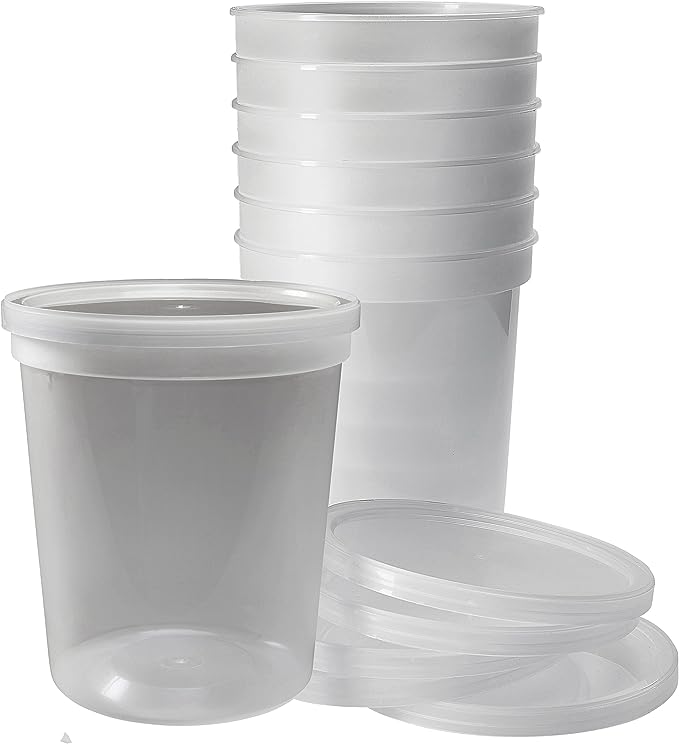
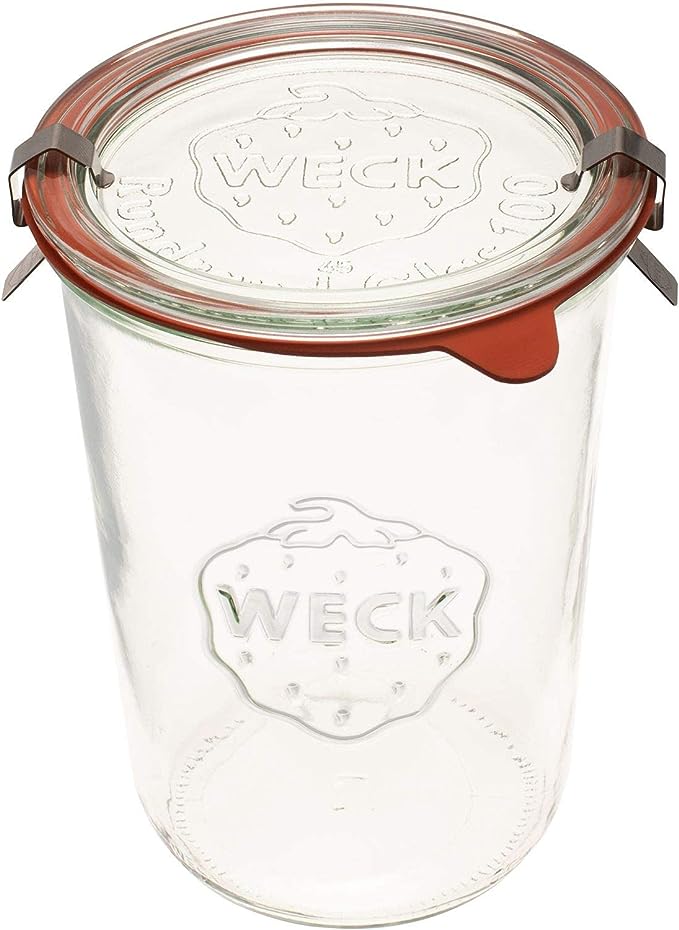

For large batches of starter…
KitchenAid 8qt Commercial Mixer (for mixing large batches of starter & doughs)

4qt Plastic Container (to hold starter while coming to peak)

8qt Plastic Container (to hold starter while coming to peak)

19qt Plastic bins (to hold starter while coming to peak)

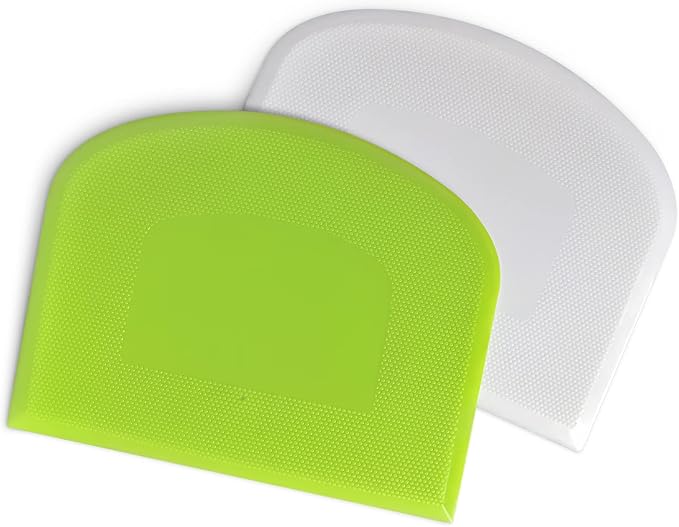
2) A utensil to stir the starter ingredients
Here are the preferred utensils, in order of preference:
For small batches of starter…


For large batches of starter…
3) A kitchen scale
Here are the preferred utensils, in order of preference:
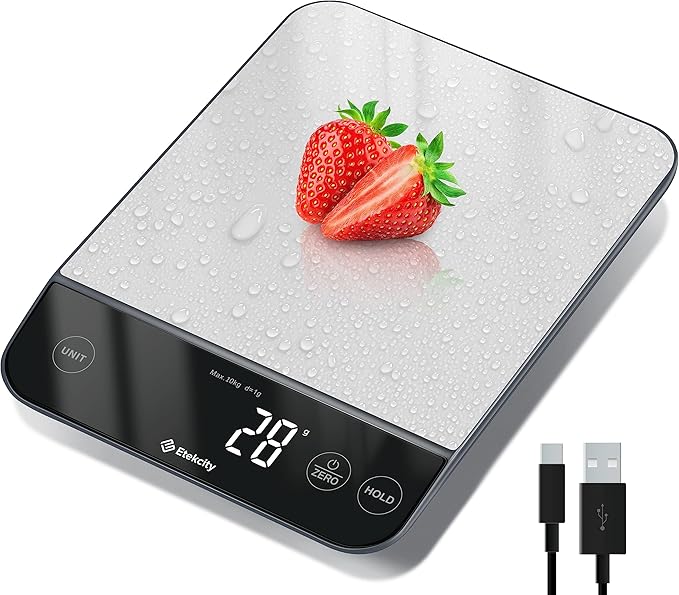

We are going to be measuring our ingredients by weight so a food scale is going to be a staple in your kitchen. That being said, you might as well get a good one like this since you will be using it to weigh your dough, and if you are operating a cottage bakery, you’ll be making large batches of dough, weighing 10+lbs.
4) A room thermometer & hygrometer
(optional, but very useful)
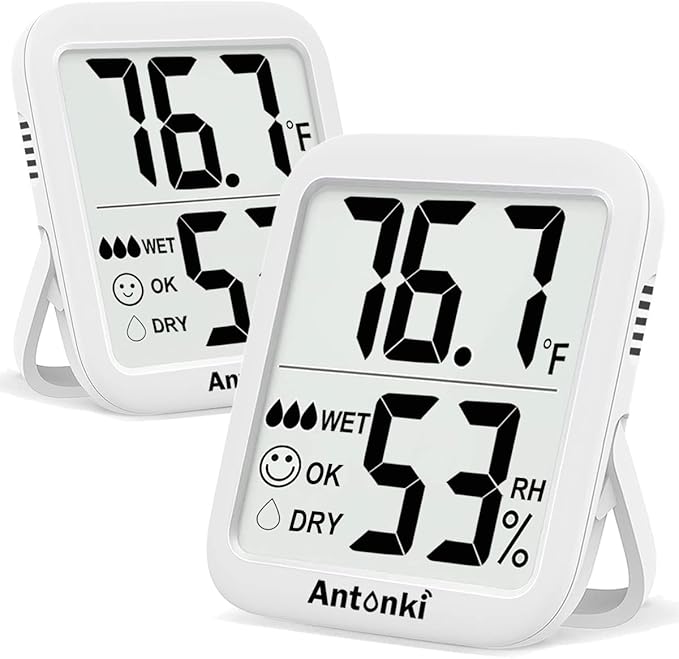
This is a very helpful tool that lets you know the temperature and humidity in the room.
5) Rubber bands or dry erase marker
(optional, but extremely useful)


These are very very helpful for the baker, as this will enable you to mark the starting point of the starter and will let you know how much the starter has risen.
You will want good rubber bands, big enough to stretch around a 32oz jar. If you don’t want to use rubber bands, you can just use a dry erase marker to mark the starting point of the starter, but that can easily be wiped off.
6) Proofer or Temp Control
(to control and manipulate starter temperature)
Brod & Taylor Proofer (for big starters)

Brod & Taylor Sourdough Home (for small starters)

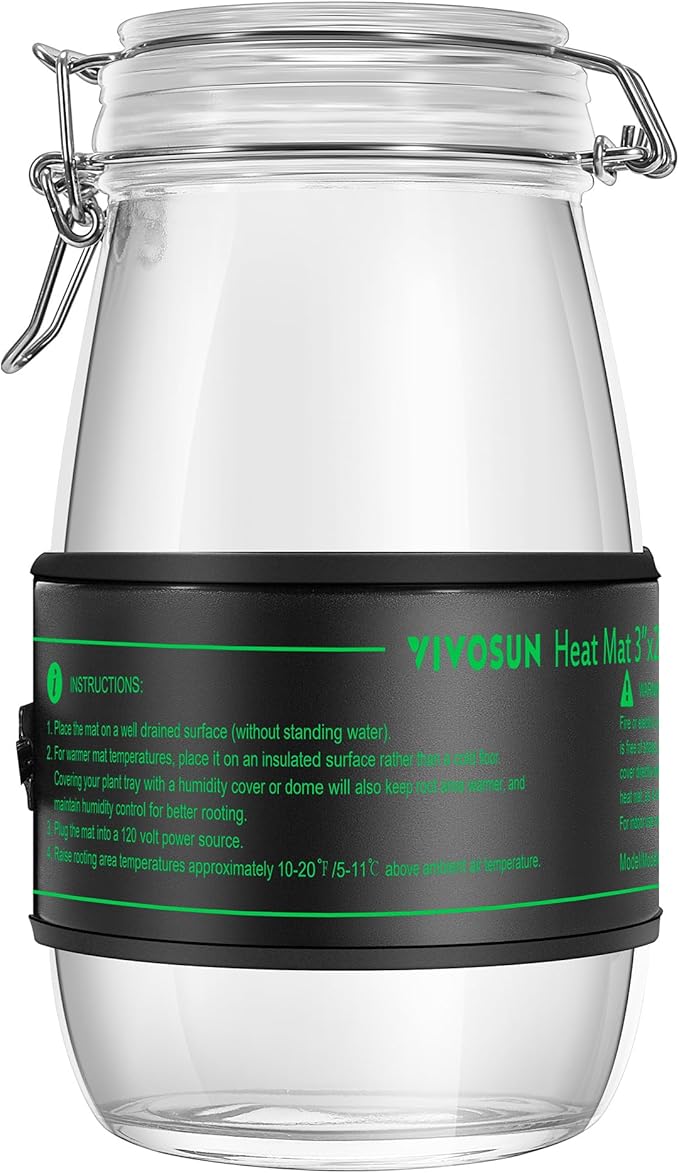
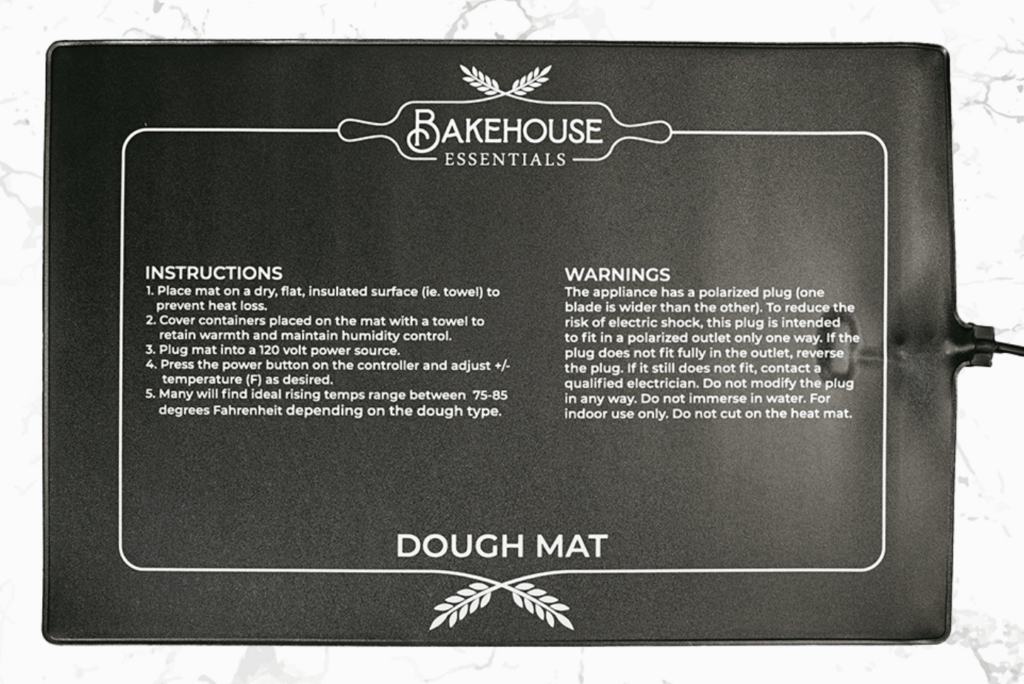
Dough Mat – use code ROSELLE10 for 10% OFF
If you buy through my link, I get a little commission. These are ingredients and tools I use daily in my own micro-bakery, so I can personally confirm that they are the best tools for the job.
Thank you❤️ About the plastic containers, how to fold your dough in them, for coming to peak? Or do you put the dough in them after the folds for the longer rest? Isn’t it risk to degass the dough, when they are so small?
My starter has never developed, and I have had to throw out several starts. Can you share how to successfully start a good starter, to get it to develop?
Thank you for the links, so helpful!
Can you share where you get your clothes please?
What Dutch ovens do you use?